Ganzheitliche Bildung stärkt Jugendliche nachhaltig


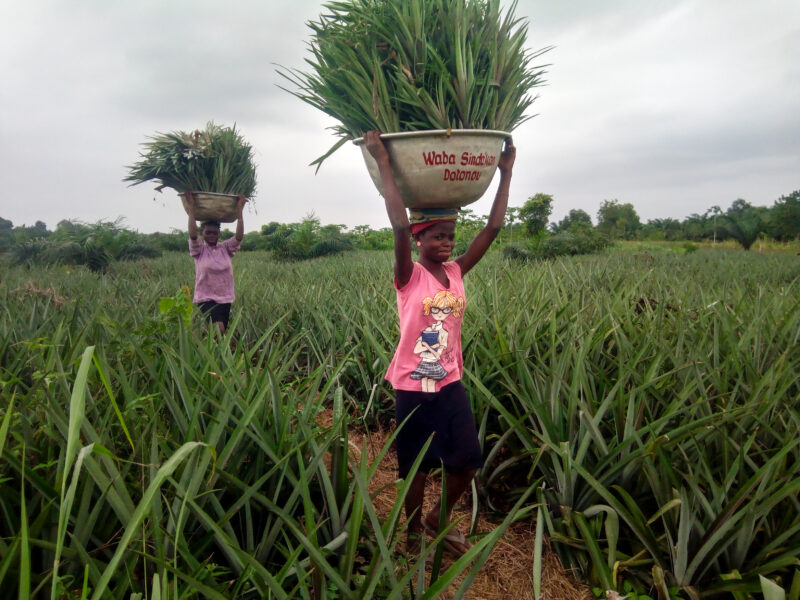
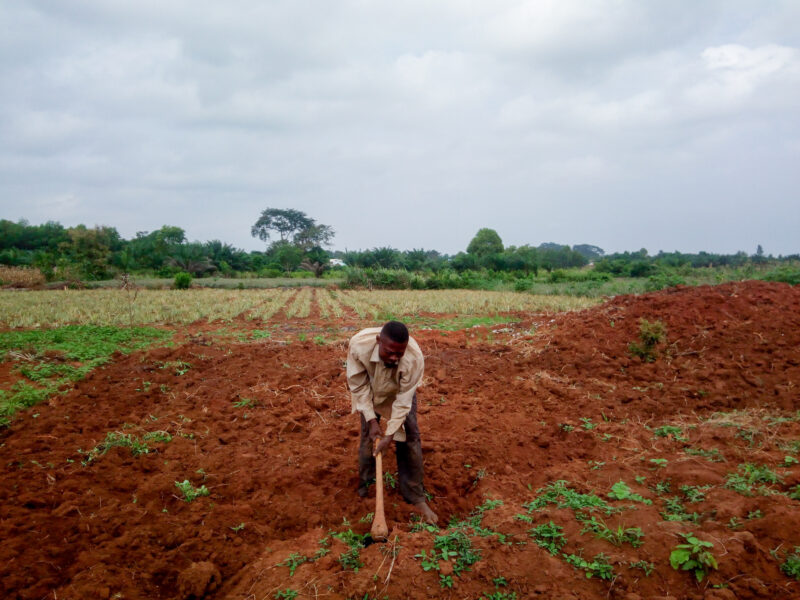
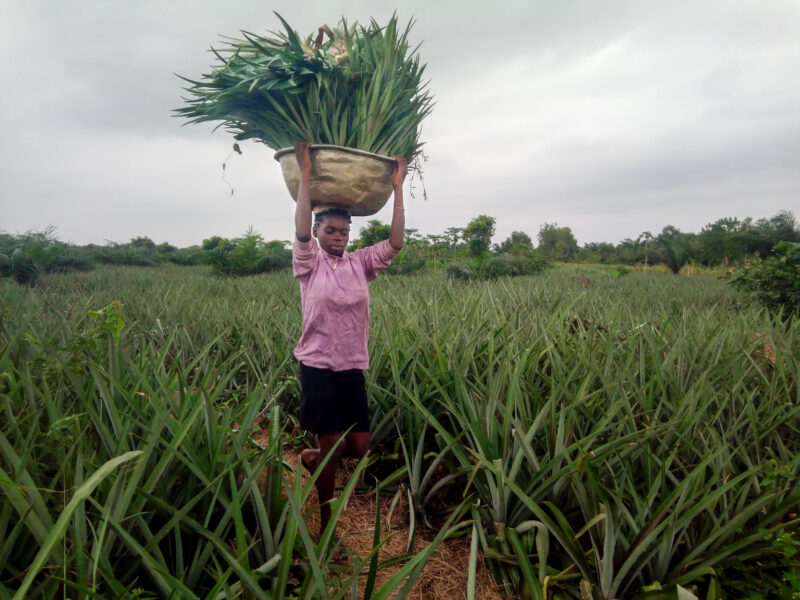
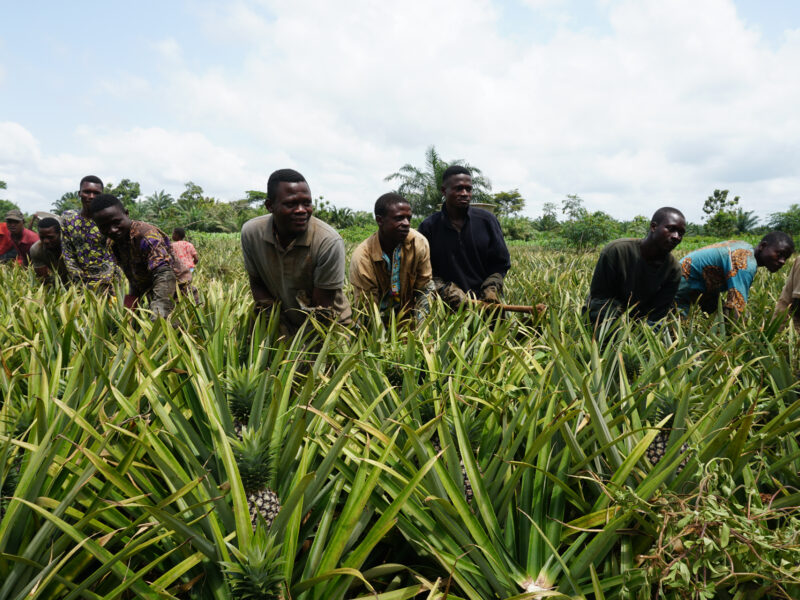
Pineapple production is an important agricultural sector in Benin and attractive to investors. However, agricultural workers in the fields labour under precarious working conditions.
The project educates agricultural workers about their labour rights and raises awareness among producers, decision-makers and other actors in the value chain to respect these rights.
It also supports agricultural workers in organising themselves into cooperatives so that they can work together more successfully to defend their interests and rights and become members of the industry association. Only in this way can they have a say in the development of the pineapple value chain and participate in social dialogue.
The quality of the harvest depends largely on the work done in the fields. In order to improve the services provided by agricultural workers and add value to their work, the project is establishing a training model for workers to improve their skills.
The project aims to improve the living conditions of the poorest and most vulnerable workers.
The pineapple sector in Benin, West Africa, produces 400,000 tonnes of pineapples annually. After cotton and cashew nuts, pineapples are one of the main export products and an attractive value chain for investors. Around 70% of the harvest is sold as fruit, 28% is processed in Benin and 1% is exported directly.
The production region is located in southern Benin. According to estimates, around 13,000 farmers grow pineapples there and more than 100,000 people are involved in the value chain. However, many workers are employed informally and work in the fields under precarious conditions.
The biggest problems are low wages, lack of employment contracts and social benefits, and lack of protective clothing to prevent eye injuries and cuts from sharp leaves and to protect workers from snake bites.